


Summer is road-trip season, and for a lot of Ottawa families, that means the dog is coming too. Cottages up the Gatineau, campgrounds in the Thousand Islands, long drives to visit family. Pets generally handle travel well, but a change of routine and environment is exactly the kind of thing that produces the avoidable emergencies we see every summer.
Most travel trouble comes down to a few predictable things: heat, medication slip-ups, and being caught unprepared somewhere unfamiliar. Here’s how to stay ahead of all three.
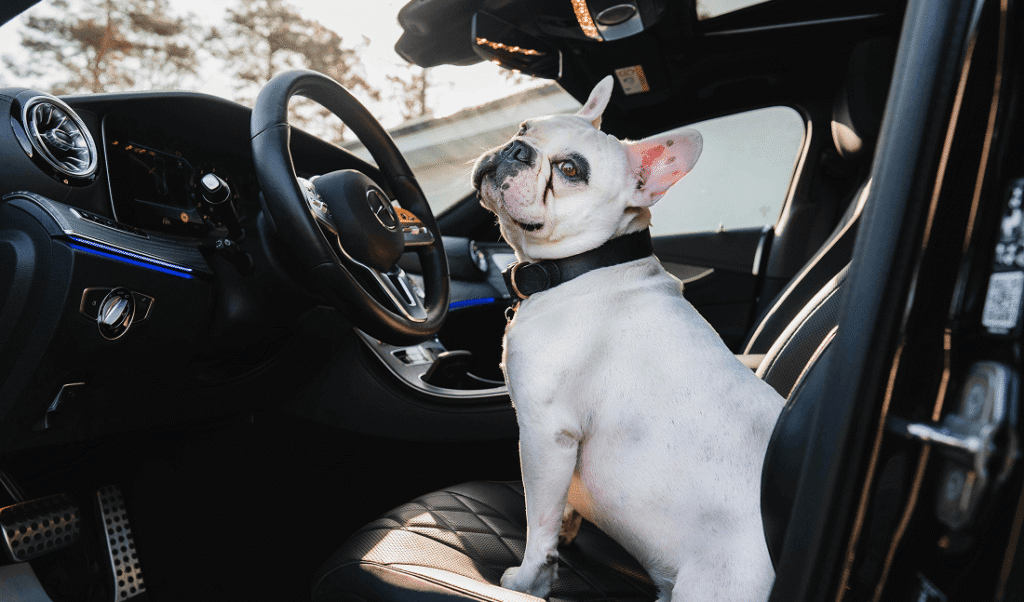
The car is hotter than you think
The single biggest travel risk in summer is heat, and the car is where it bites people. A parked car on a warm day becomes dangerous within minutes, even with the windows cracked, even in shade, even when it doesn’t feel that hot to you standing outside. Cracking a window does almost nothing.
The rule is simple and worth treating as absolute: never leave your pet in a parked car in summer, not even for a quick stop. If you’re traveling solo and need to run into a rest stop, it’s better to bring the dog with you or plan stops where someone can stay with them.
On the road, keep the air conditioning reaching the back, where your pet actually is. Bring more water than you think you’ll need and offer it at every stop. Watch for heavy panting that doesn’t settle, drooling, restlessness, or bright red gums. These are all the early signs of overheating, which can escalate fast in a warm vehicle.
Bring more medication than the trip needs
If your pet is on any regular medication, this is where preparation pays off. Pharmacies that carry veterinary medications aren’t always easy to find when you’re away from home, and running out mid-trip can mean a scramble or a missed dose that matters.
- Bring more than you need. Enough for the full trip plus several extra days in case plans change
- Keep medications in original labeled containers, not a loose pill organizer, so dosing is clear to anyone who needs it
- Don’t leave medications in a hot car; heat degrades many of them
- Bring a written list of what your pet takes, the doses, and what they’re for
Motion sickness and travel anxiety
Plenty of dogs and cats get carsick or anxious on the road, especially if they don’t travel often. Drooling, whining, restlessness, and vomiting are common. It’s rarely an emergency on its own, but a stressed, vomiting pet on a long drive isn’t fun for anyone and can lead to dehydration over a full day of travel.
If your pet is a known bad traveler, talk to your vet before the trip. There are safe anti-nausea and anti-anxiety options, but they should be chosen and dosed ahead of time. A short test run before the big trip can tell you a lot.
Build a travel emergency kit for your pet
A small kit in the car covers the gap between something happening and finding care in an unfamiliar place. Worth having:
- Your pet’s vaccination records and a current photo (helpful if they get lost)
- A list of current medications and your regular vet’s contact info
- Basic first aid supplies: gauze, vet wrap, blunt scissors, saline for flushing eyes or wounds
- A collapsible water bowl and extra water
- The Pet Poison Helpline number and the contact details of an emergency or urgent care vet near your destination
Look up emergency care before you leave
This is the step most people skip, and it’s the one that matters most when something goes wrong. Before you travel, spend five minutes finding out where the nearest emergency or urgent care vet is to where you’re staying, what their hours are, and how to get there. Searching for this for the first time at 10 p.m. with a sick pet, in a place you don’t know, is the situation you’re trying to avoid.
If you’re staying somewhere remote, it’s especially worth knowing that the nearest clinic might be an hour away, which changes how quickly you need to act on a problem.
FAQ
Is it safe to sedate my pet for travel?
Sometimes, but only under veterinary guidance. Sedation isn’t right for every pet and can occasionally cause problems with temperature regulation and balance. Anti-anxiety medication is often a better choice than true sedation. Talk to your vet well before the trip so there’s time to test it.
Should my pet eat before a long drive?
A light meal a few hours before leaving is usually better than a full stomach right before departure, especially for pets prone to motion sickness. Keep water available throughout.
What if my pet gets sick somewhere remote with no vet nearby?
This is exactly why looking up the nearest care ahead of time matters. If you’re far from a clinic, call them as soon as you notice a problem. They can advise whether you need to come in immediately or whether it can wait, and that guidance is more useful early than late.
Contact Us
If your pet requires urgent care between 12 PM and 12 AM, reach out to us right away!