


Most households have a first aid kit for people. Far fewer have one for the dog, which is a bit odd given how often dogs in Ottawa spend time on trails, in the water, and at off-leash parks where things can go sideways without warning.
A pet first aid kit won’t replace veterinary care. That’s not what it’s for. It’s for the minutes between something happening and you getting to us, and those minutes can matter more than people realize.
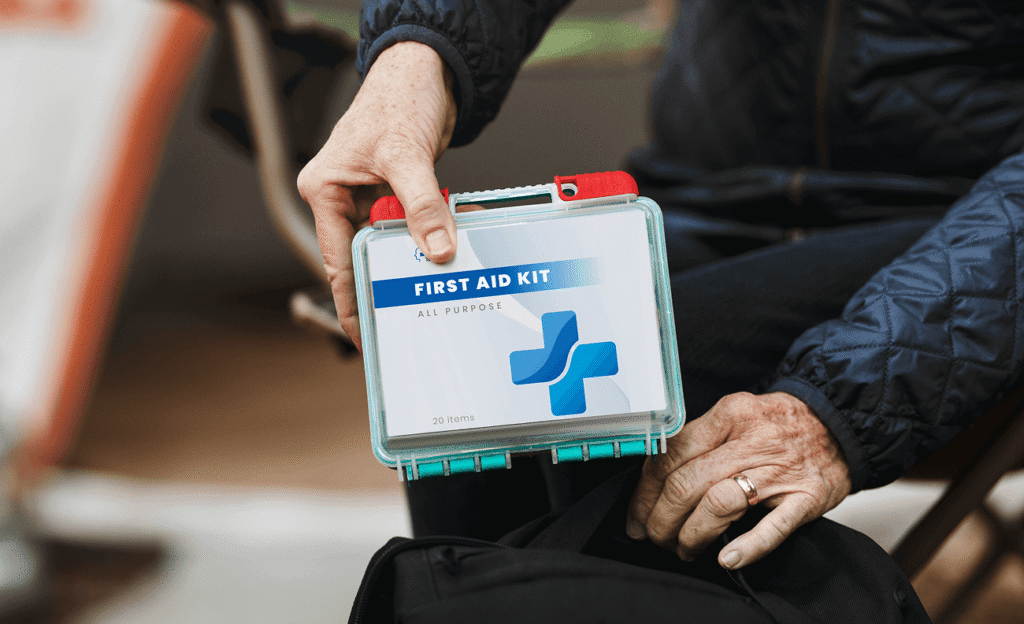
The core kit for home and car
Start with these:
- Sterile gauze pads and rolls for covering wounds and applying pressure to bleeding
- Vet wrap (self-adhesive bandage tape) — sticks to itself and not to fur, which makes it worth having over regular bandage tape
- Blunt-tipped scissors for cutting bandaging material without risk of poking the wound
- Digital thermometer — a dog or cat’s normal temperature is 37.8°C to 38.9°C (100-102 Fahrenheit); above 39.5°C is a fever
- Disposable gloves to protect both of you
- Sterile saline solution for flushing wounds or eyes
- Fine-tipped tweezers or a dedicated tick removal tool
- Muzzle — even a calm, gentle dog may bite when in significant pain
- Emergency contact numbers — your regular vet, Galaxy Vets Urgent Care & Walk-In Ottawa (open noon to midnight), and the Pet Poison Helpline
- A copy of your pet’s vaccination records and current medications
Add-ons for hiking and travel
If you’re heading out on the Rideau Trail, into Gatineau Park, or anywhere more remote:
- Styptic powder or corn starch to help control minor bleeding from nail or small paw injuries
- Saline eye wash for debris, plant sap, or other irritants in the eye
- Extra water and a collapsible bowl
- Emergency foil blanket is useful for shade in heat, warmth in cold
- Penlight or headlamp for examining injuries in the field or on the trail after dark
- Paw balm or booties for hot surfaces or rough terrain
Some vets recommend carrying plain diphenhydramine (Benadryl) for bee stings, but confirm the correct dose for your pet’s specific weight with your vet before any trip.
What not to do at home
A first aid kit can also create problems if used incorrectly. A few things to never do without direct veterinary instruction:
- Don’t use hydrogen peroxide to clean wounds. It damages tissue and slows healing.
- Don’t apply human antibiotic creams. Some ingredients are toxic to pets, especially cats.
- Don’t give ibuprofen (Advil), acetaminophen (Tylenol), or aspirin to your pet. These cause serious harm in both dogs and cats
- Don’t induce vomiting on your own for toxin ingestion. It’s not appropriate for all toxins and can cause aspiration
- Don’t bandage so tightly you cut off circulation. If two fingers can’t slide under the bandage, it’s too tight
- Don’t try to remove porcupine quills yourself. They’re barbed and require proper technique, usually under sedation
First aid buys time. It stabilizes a situation and keeps it from getting worse in the minutes before professional care. It is not a substitute for that care.
A well-bandaged wound still needs a vet. A dog that swallowed something and seems fine still needs to be seen. A cat that appeared to recover from overheating still needs an assessment. The kit helps you get from the moment something happens to the moment you’re through our door.
FAQ
Where can I buy a pet first aid kit in Ottawa?
Most major pet stores carry basic versions. Building your own gives you more control over what’s in it and lets you customize for your pet’s size and your activities. The Canadian Red Cross also offers pet first aid kits and, periodically, pet first aid courses worth taking if you hike regularly with your dog.
Should I take a pet first aid course?
If you hike with your dog, have multiple pets, or just want to feel genuinely prepared, this knowledge is useful. Knowing how to bandage a paw properly, recognize shock, and safely transport an injured animal is more useful than most people expect until they actually need it. Red Cross Canada and some veterinary clinics in Ottawa offer these periodically.
How often should I check and update the kit?
Once a year is the minimum. Check expiry dates on saline and any medications, replace what’s been used, and update emergency contact numbers. Before any significant trip or hiking season, do a quick check.
What’s the single most important thing to include?
Emergency contact numbers. The supplies are useful, but knowing exactly who to call and where to go without having to search in a panic at 11 p.m. is what makes the real difference in the first few minutes.
Pet emergency in Ottawa?
We`re always ready to help! Open every day
noon to midnight at 21 Jamie Avenue.